
Do you like your city? Have you ever wondered why does it look the way it does? Do you have a favorite place where you like to hang out? Maybe it is a nearby green space like a park, or a local coffee shop where you used to hang out while you were in town? Cities and towns are our habitats and the home of most of the population in the US. Just like you take care of a garden or your house, cities need to be taken care of as well. Cities and towns are always changing and evolving.
Citizens frequently remain passive observers of change in cities and are not aware of tools available for getting involved and advocating for desired change. Advocacy planning (AP) can be a tool for citizens and communities. AP may bridge the realm of professional planning and citizens for desired outcomes.
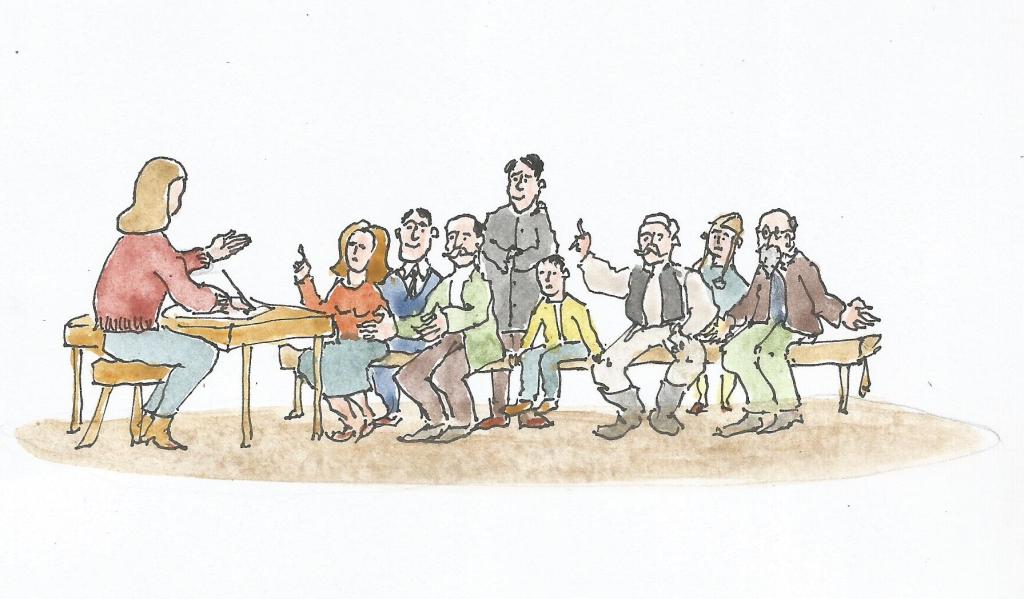
The historic case of Jane Jacobs vs. Robert Moses to save Greenwich Village neighborhood in New York in the 1950s and 60s from a demolition represents a very important milestone. Here, Jane Jacobs, a concerned citizen raises her voice through her journalism and neighborhood activism to stop a planned development. The case shed light to the many city planning problems that excluded the will and voice of citizens. Additionally, the work of planning theorist, Paul Davidoff has been associated with advocacy planning. Philip Allmendinger, in his book of “Planning Theory” (2009, 148) writes that
“In planning theory, advocacy is normally associated with the work of Paul Davidoff (1930-84), who argued for a deeply personal and highly political view of planning and planners. Such a view is usually contrasted with the more apolitical, technical and bureaucratic perspective and approach of, for example, the systems and rational approaches…The division between these two worldviews represents a cleavage that reflected attitudes in society towards the role of the state and what it was attempting to do with the machinery it has established to control development. “
Since the 1960s the planning process has become more inclusive to reach the public, and incorporate the voice of concerned citizens. Still, results are still lagging. Urbanization is happening rapidly, old neighborhoods keep disappearing and new cookie-cutter developments are popping up. Farmlands are turned into subdivisions with small lot sizes. Roads clog up and traffic keeps growing.
If you have ever wondered about what can one person do. Well.
A lot.
For example, have you ever attended a public planning meeting organized by your local planning department? Maybe it was for an update of the comprehensive plan. Do you attend the events organized by your local Planning and Zoning Commission? Have you ever tried to be part of a local neighborhood association (not be confused with HOAs). These meetings frequently remain unattended and poorly represented by citizens.
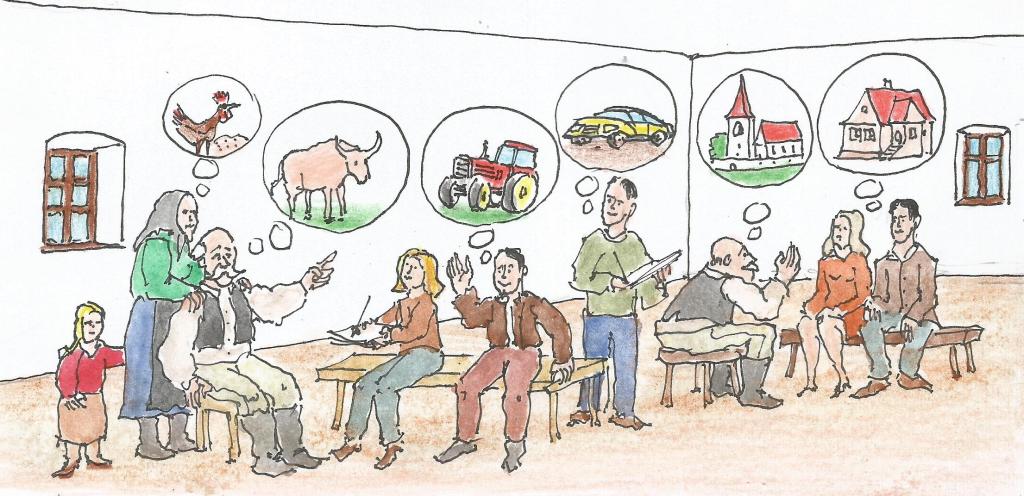
Advocacy is not easy. Just like in the court of law, preparation and knowledge is key for success, along with the accurate representation of local interests through data. Timsel27 will help prepare your community for a cohesive and engaged planning process with your local authorities and advocate for your interests.
Get in touch and land your vision with us.


References
Davidoff, P. (1965). “Advocacy and Pluralism in Planning.” Journal of the American Institute of Planners 31(4): 331-338.
Allmendinger, P. (2009). Planning Theory. New York, Palgrave Macmillan.
Last updated on 12/2/2023.
 Timsel27 LLC