
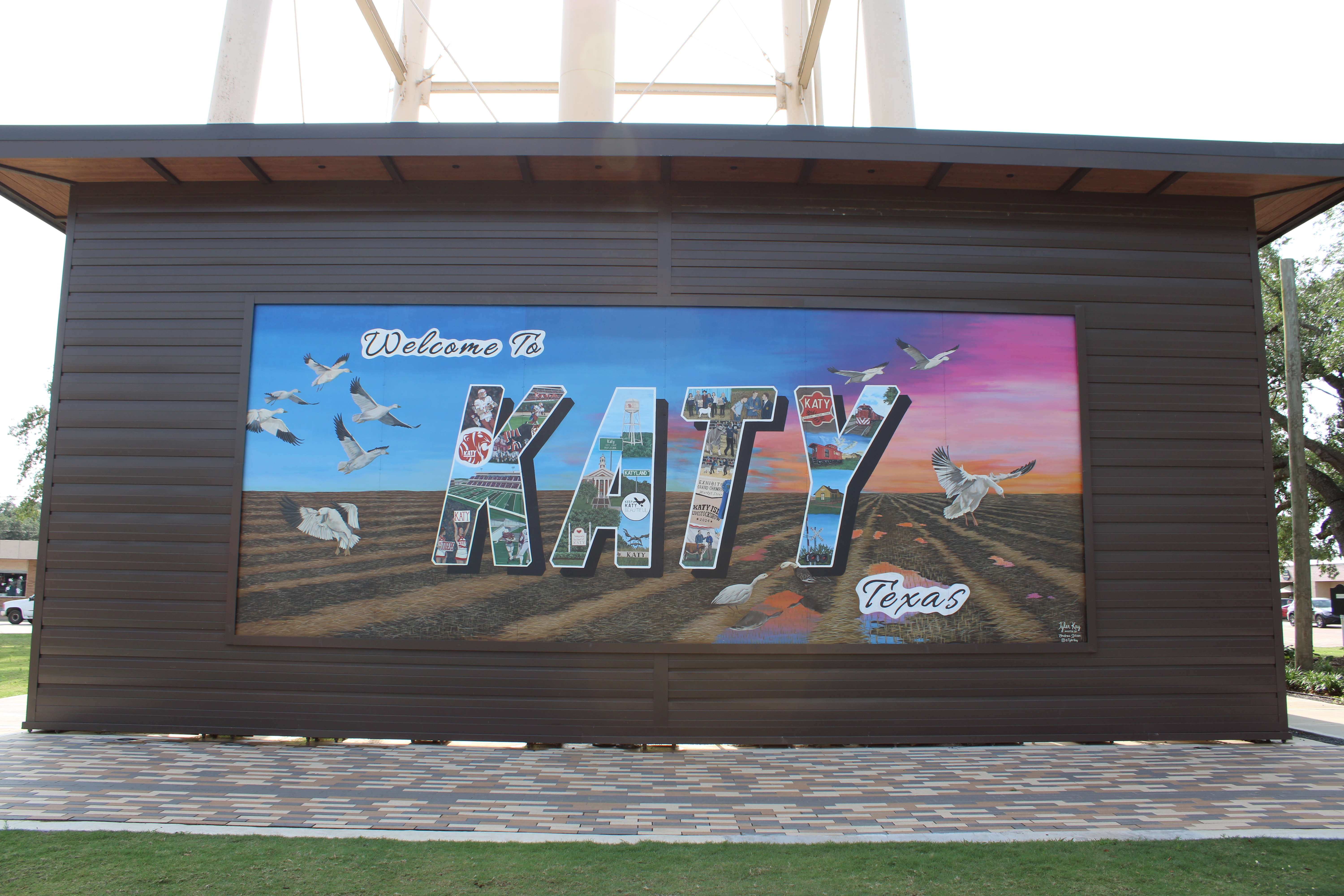
Mural in Katy, TX, a city with rich rice cultivation heritage. 2025. 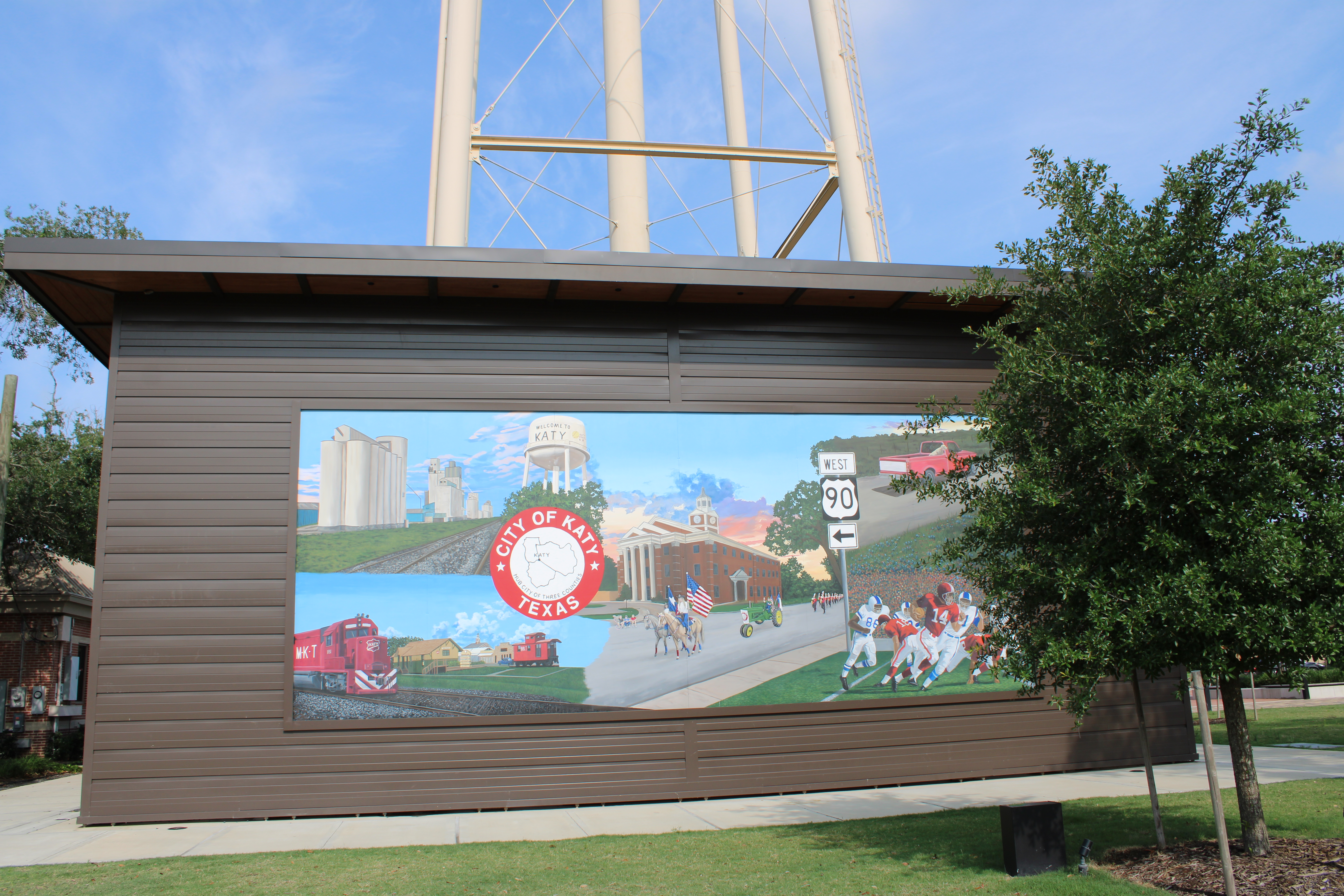
Mural in Katy, TX, depicting the iconic rice dryers of the city. 2025. 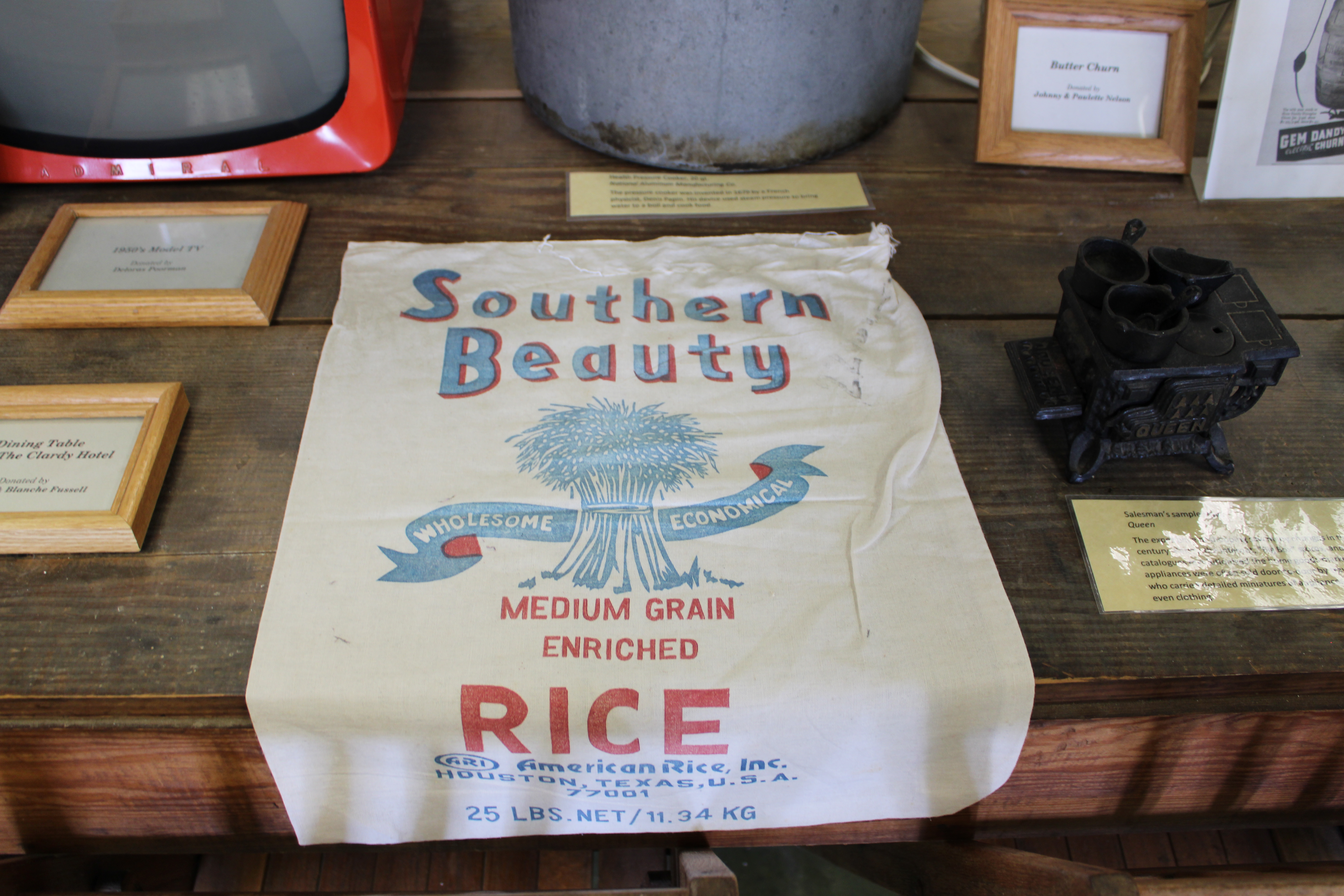
Johnny Nelson Katy Heritage Museum, Katy, TX. 2025. 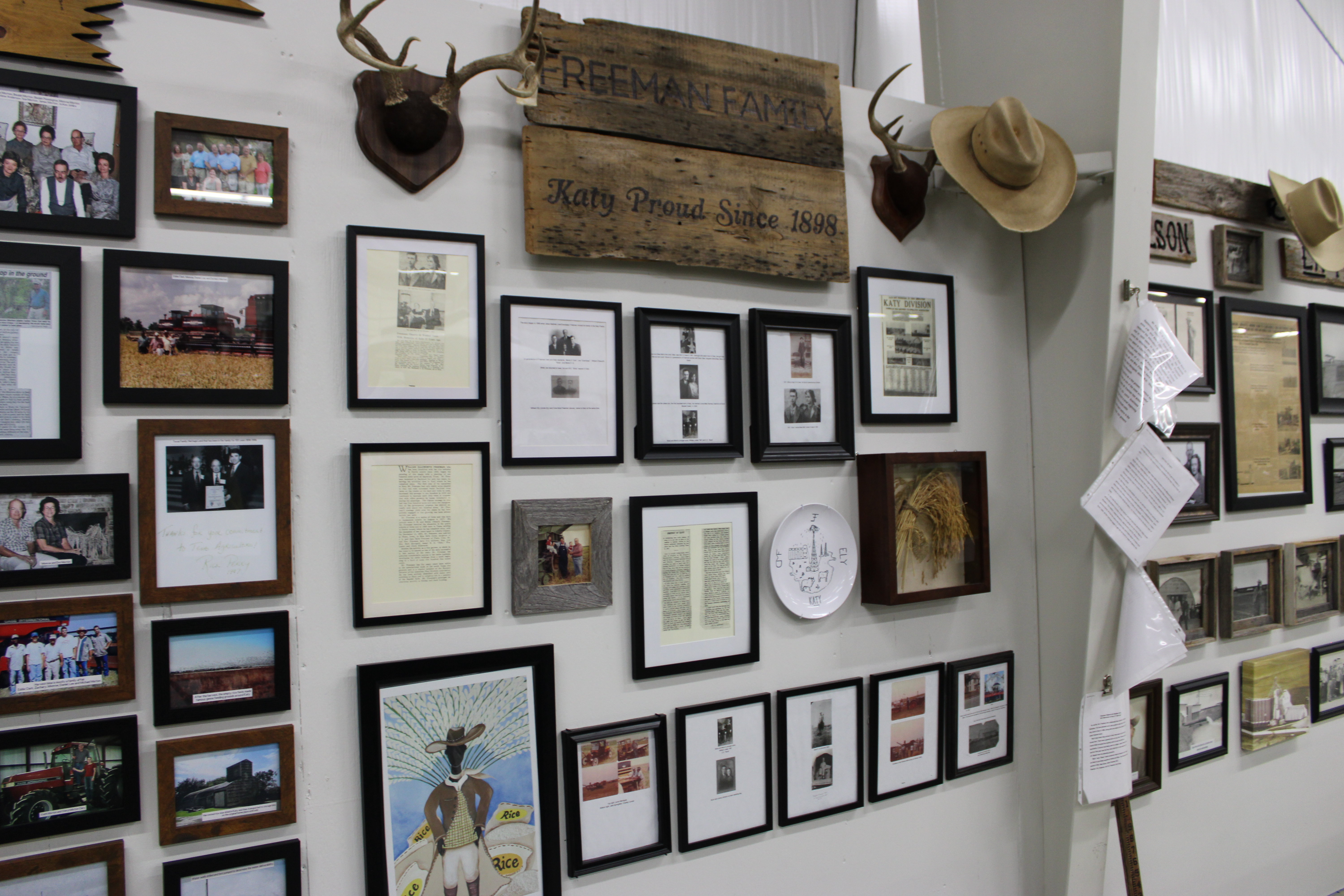
Johnny Nelson Katy Heritage Museum, Katy, TX. 2025. 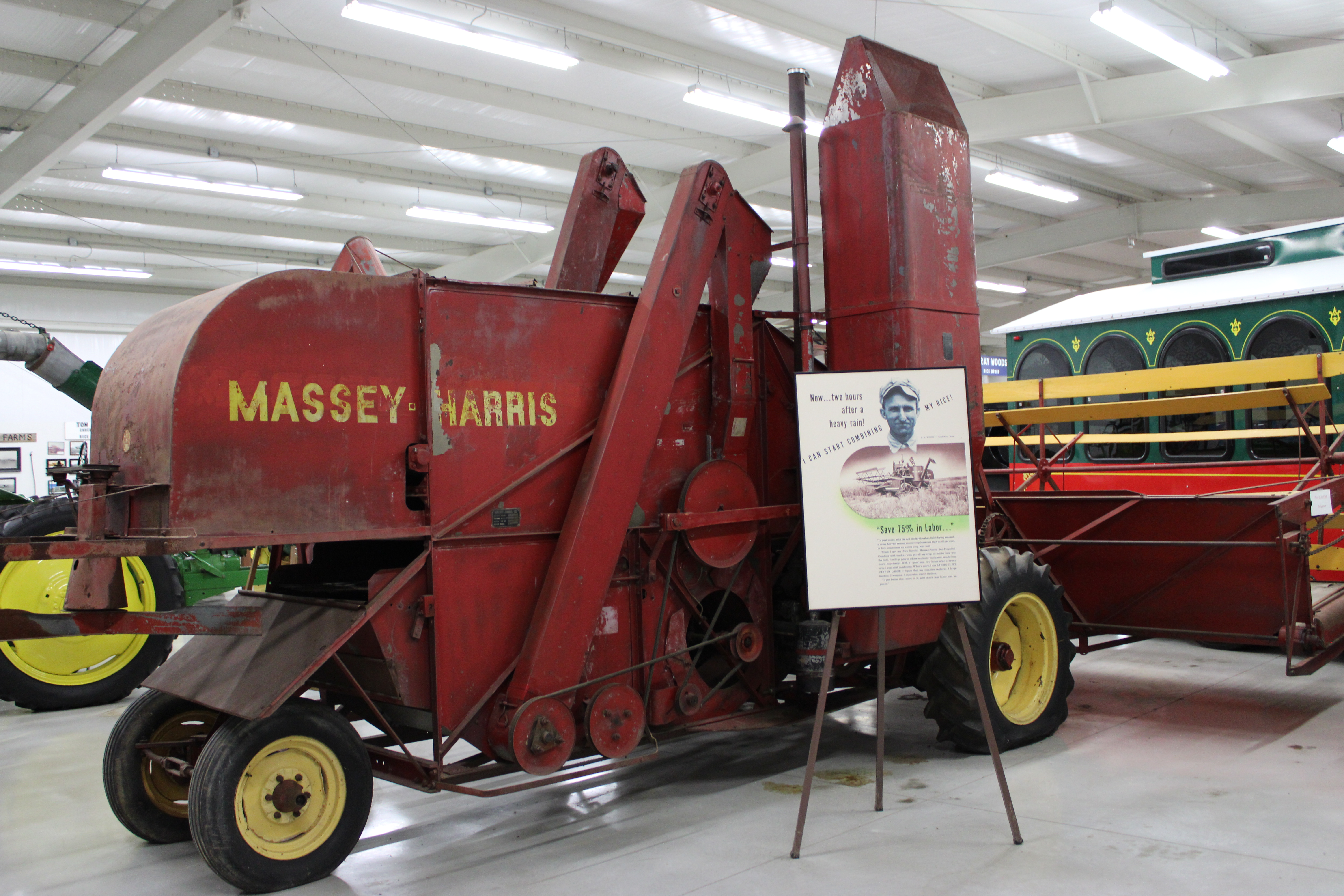
Johnny Nelson Katy Heritage Museum, Katy, TX. 2025. 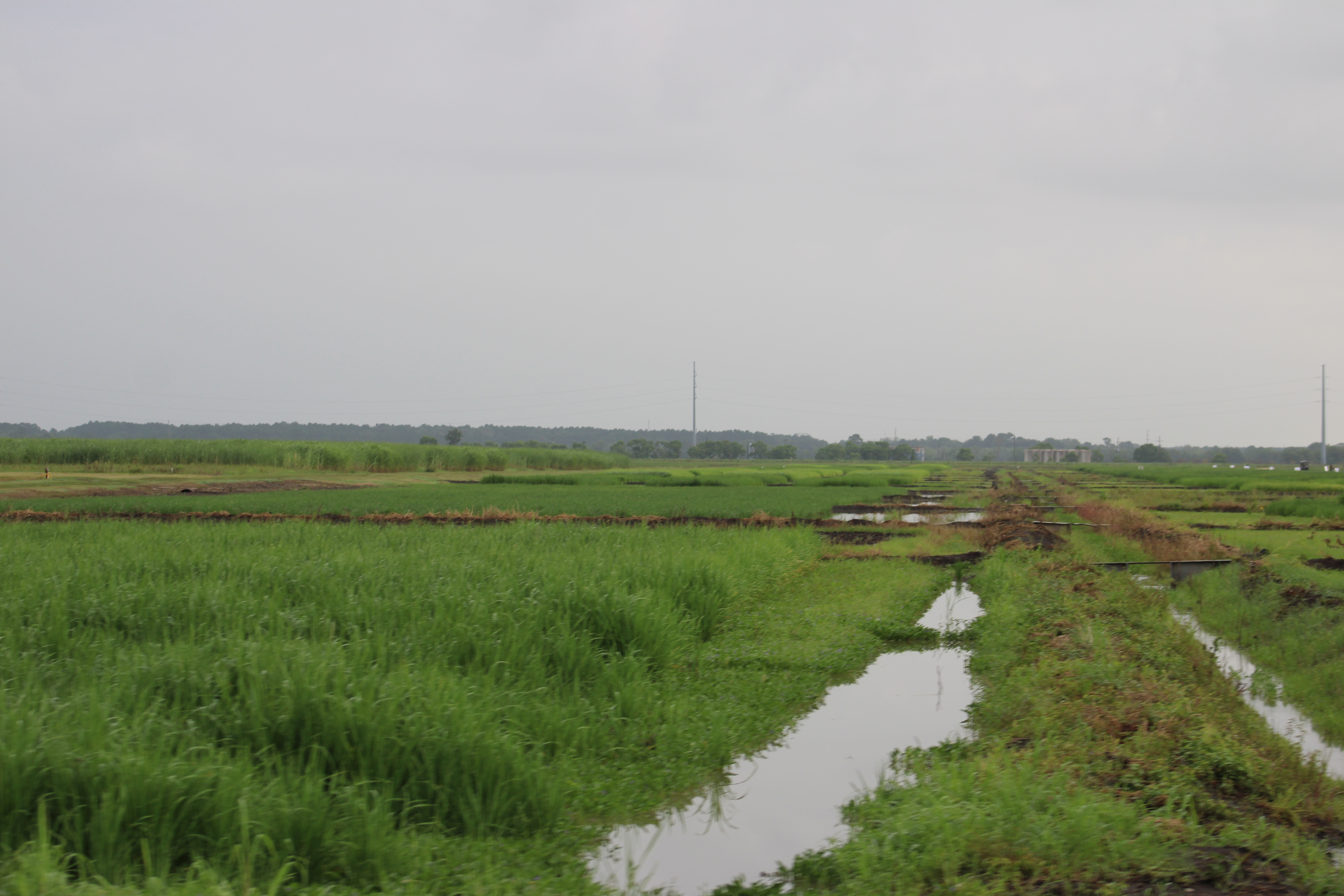
Beaumont Research Center, TX. 2025 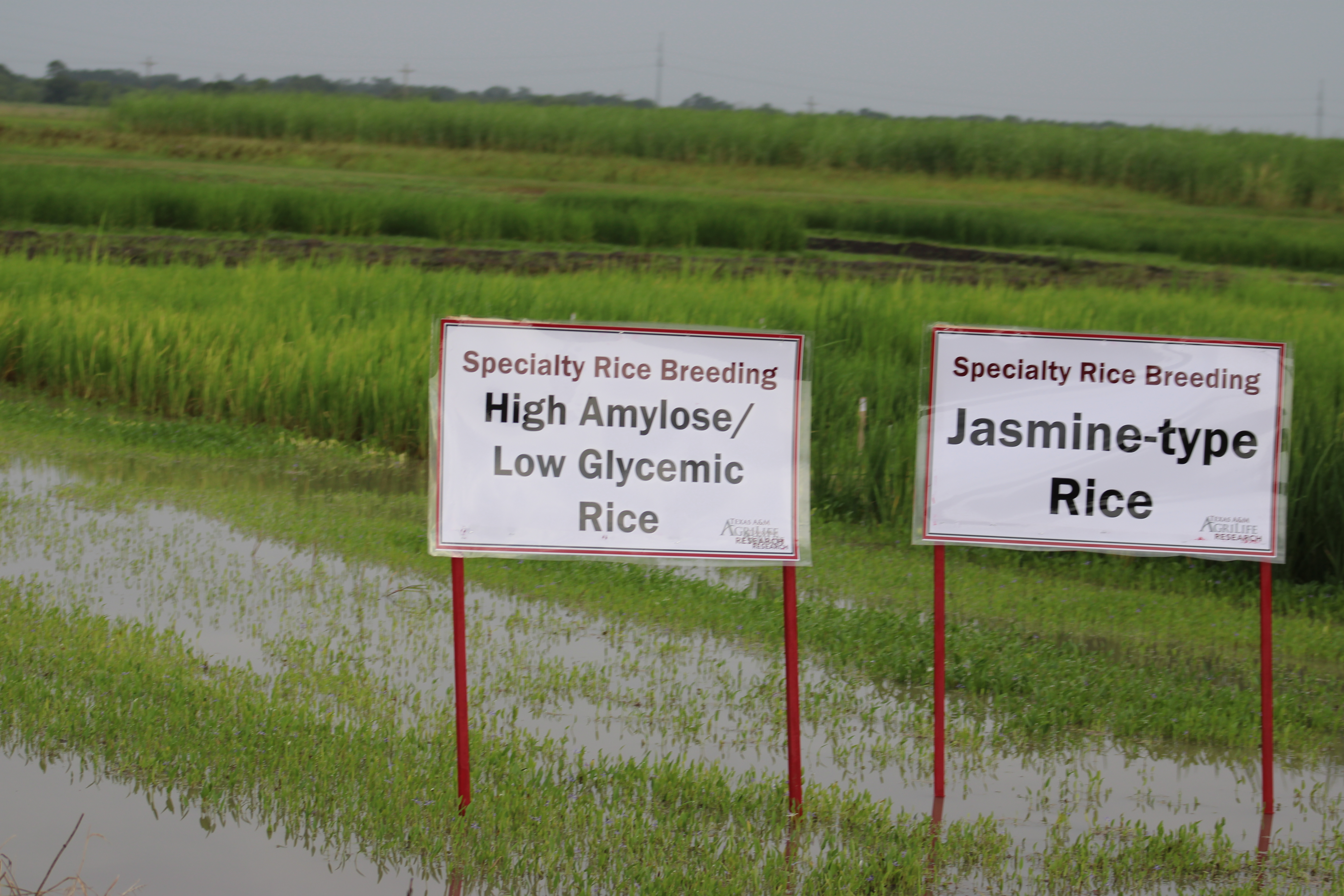
Beaumont Research Center, TX. 2025 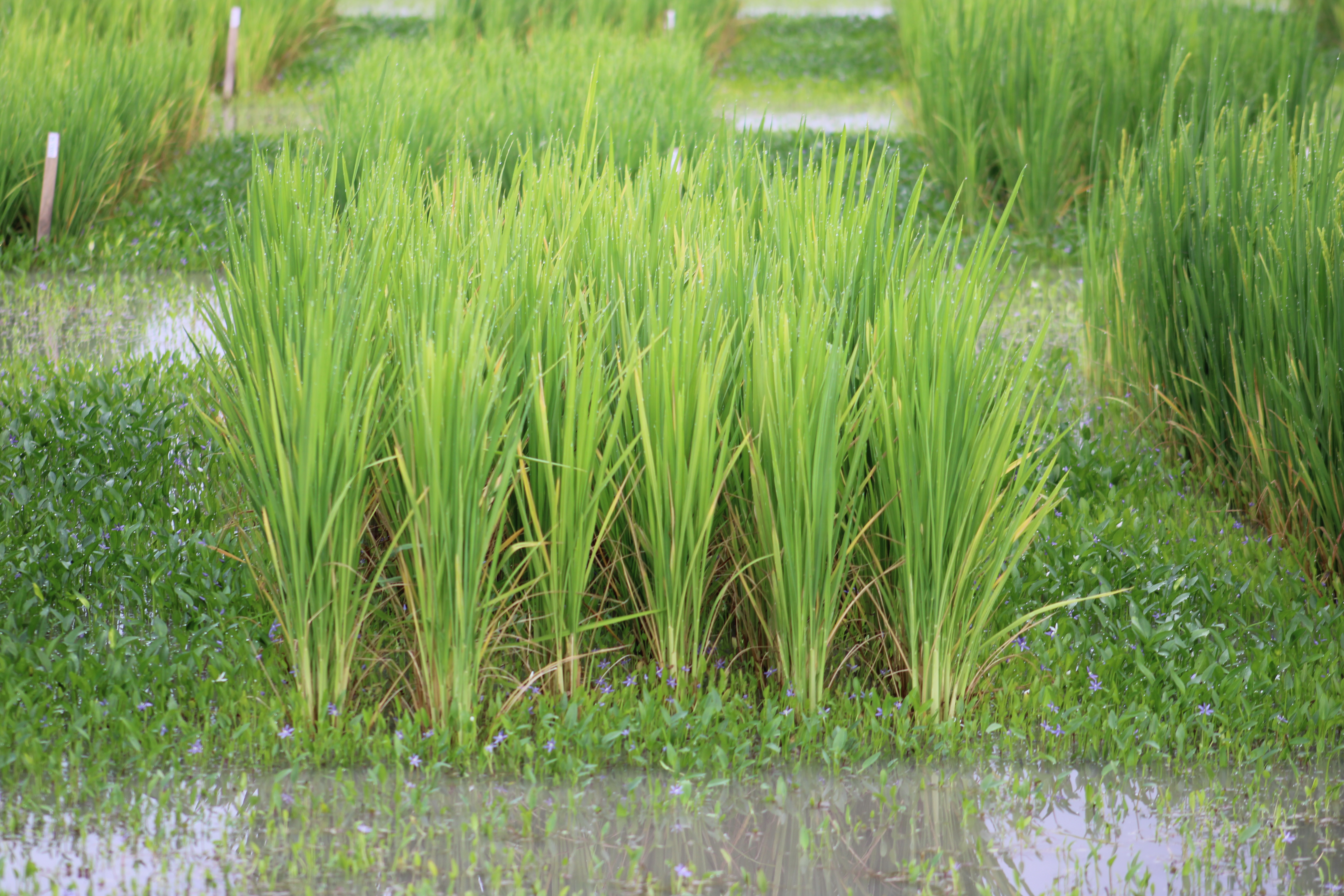
Beaumont Research Center, TX. 2025 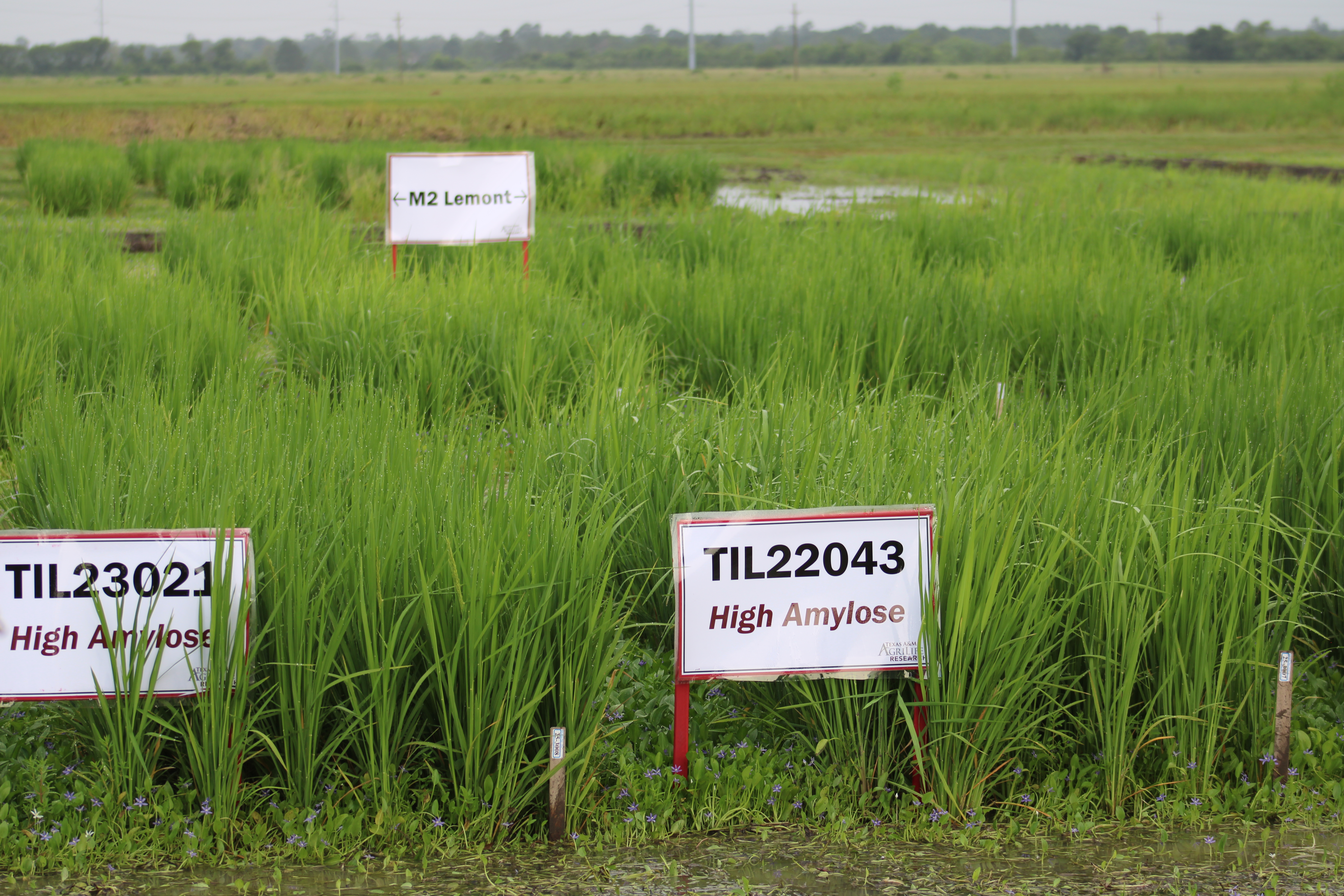
Beaumont Research Center, TX. 2025 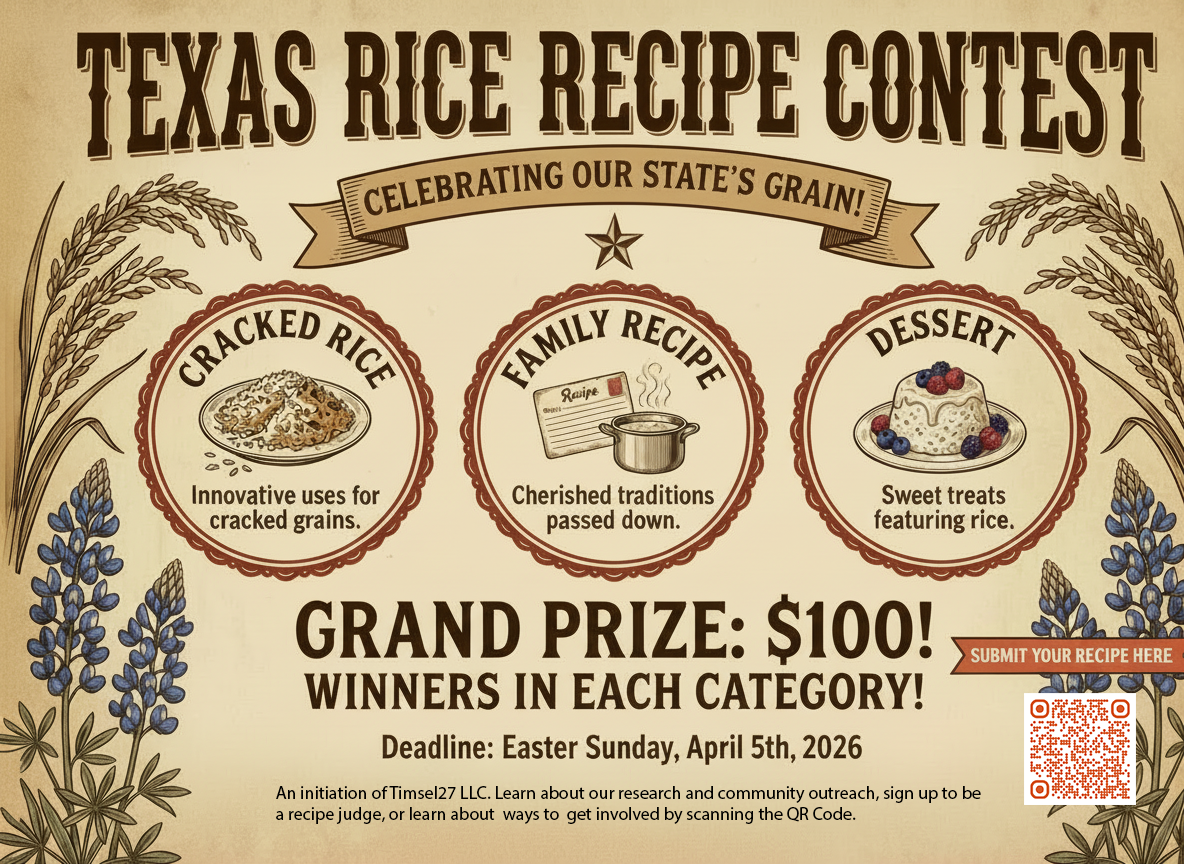
Independent and transparent.
This page is devoted for communicating research related content for the USDA-NRCS funded project under the project title,
To improve natural resources conservation stewardship in rice production through the best management of water resources
Timsel27 LLC in partnership with Texas A&M AgriLife will carry out the research.
The three years project, with a budget of $1,246,665.00 has three main goals:
Goal 1: Create water savings in rice production through alternate wet dry irrigation (AWD) by performing applied research, outreach education, and communicating successful pathways to adoption that do not cost farmers in yield or overall economics of production.
Goal 2: Amplify benefits of water savings research through on-farm demonstration and communication of ancillary benefits: methane emission reduction, reduced arsenic uptake, and better understandings of pest pressures that come with adoption.
Goal 3: Work directly with stakeholders in production, milling, water policy and provision, and climate smart / carbon offset industry to establish through social science approaches the cross scale interdependence of the rice community’s social, economic, and environmental pressures and opportunities.
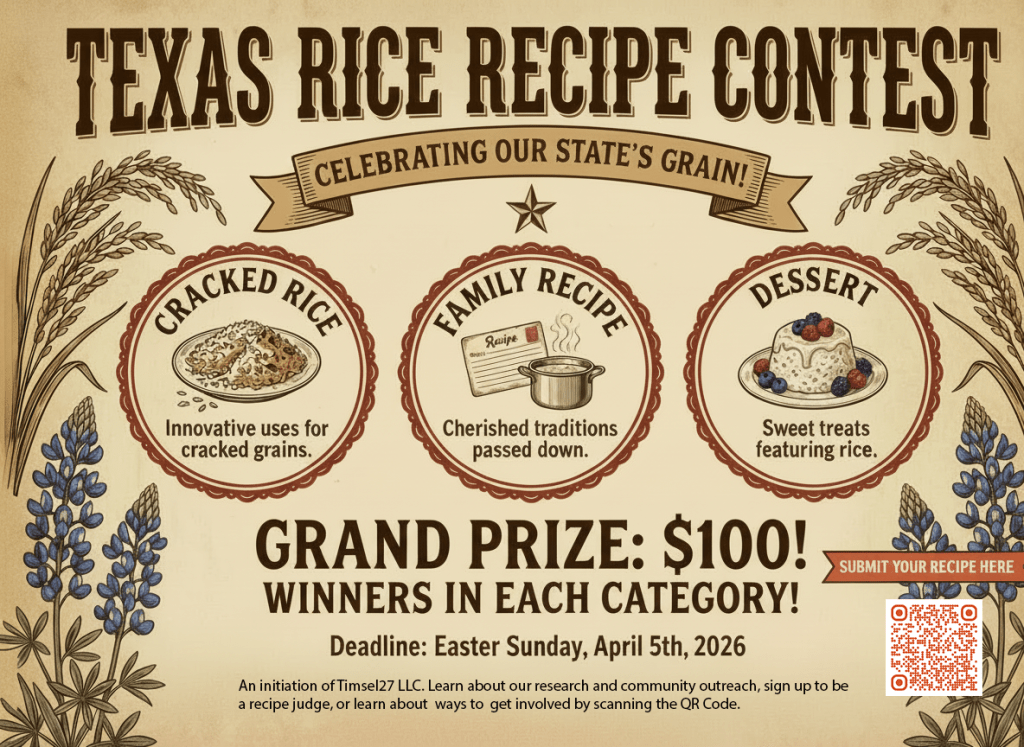
Get Involved!
Goal 3
Goal 3 is carried out by Timsel27 LLC, for a budget of $ 196,500 and consist two main activities:
Activity 1: Identify socio-cultural drivers that will advance the cultural and social interpretation and development of rice industry and appreciation of this 150-year-old culture within Texas (2025-2026).
Activity 2: Pilot a social-ecological action plan in collaboration with key stakeholders of water security and service industries within the impacted community (2026-2027).
To achieve our goal for Activity 1 we will carry out a two-step research study.
Activity 1 / Step 1: we are investigating the following research questions:
What does Texas Rice mean for rice farmers and for the wider community?
What pathways are there for the resilience and adaptability of Texas Rice due to environmental, economic and social pressures?
Gathered data will be used to:
- Describe Texas Rice as a way of life, heritage, and culture
- Identify social, economic, cultural and ecological variables that contribute to the long-term resilience of rice farming, Texas Rice and the natural resources involved in rice cultivation
- Build a questionnaire for a large-scale online survey
- Describe and understand the attitudes, opinions and narratives that stakeholders hold regarding scarce natural resources like water
- Describe and understand land management and land attachment as it pertains to short- and long-term cultivation of rice in Texas
- Explore “What if” scenarios including alternatives to rice cultivation and livelihood
We seek information that can help understanding:
- Texas Rice as a cultural heritage of Texas
- Texas Rice as a way of life
- The complexity of rice cultivation and its effect on local and regional natural systems
- Identify paths to make Texas Rice locally and regionally known
- Understand the economic, cultural, social and environmental scenario of “What if there is no Rice in Texas.”
- Improve the social-ecological understanding of rice cultivation across multiple boundaries
- Seek adaptation pathways to pressing urban, economic and environmental pressures
Activity 1 / Step 2: Collected data from interviews, literature, and historic sources will be used to (1) identify study population and (2) design a survey (questionaire).
Register to participate in our upcoming stakeholder events.


Please see us often as we add content to inform the audience with interest in this research. Are you one? Please see us as a non-research participant and share your thoughts. Last updated December 15th, 2025 by Dr. Gitta Pap.
This material is based upon work supported by the U.S. Department of Agriculture, under agreement number NR247442XXXXG003. USDA is an equal opportunity provider, employer, and lender.
 Timsel27 LLC